In today’s global digital world, understanding phrases from different languages can make your conversations smoother, more fun, and even more meaningful.
One such popular phrase you’ll often see in chats, social media, or even memes is “como estas meaning” a simple yet powerful Spanish greeting that pops up everywhere.
If you’ve ever received a message like “Hola, como estas?” and wondered what it actually means, you’re in the right place.
This guide breaks it down in a clear, engaging way so you can confidently use it in your own conversations without sounding like you just learned it from a textbook.
What Does “Como Estas Meaning” Mean? (Definition & Origin)
At its core, “como estas” is a Spanish phrase that translates to:
“How are you?”
🔍 Breakdown of the phrase:
- “Cómo” = How
- “Estás” = You are (informal form)
So, when combined, “como estas meaning” = “how are you” (informal greeting).
🌍 Origin & Usage:
- It originates from the Spanish language, widely spoken across Spain, Latin America, and many online communities.
- The phrase is commonly used in casual conversations, especially among friends, peers, or people of similar age.
- It’s the informal version used with people you’re comfortable with.
💡 Quick insight:
Think of it as the Spanish equivalent of texting someone “hey, what’s up?” rather than a formal “how do you do?”
How to Use “Como Estas” in Texts or Chat
Using “como estas” is simple, but context matters if you want to sound natural instead of robotic.
💬 Where you can use it:
- Text messages
- WhatsApp or Messenger chats
- Instagram DMs
- Casual emails (rare, but possible)
- Social media comments
✨ When to use it:
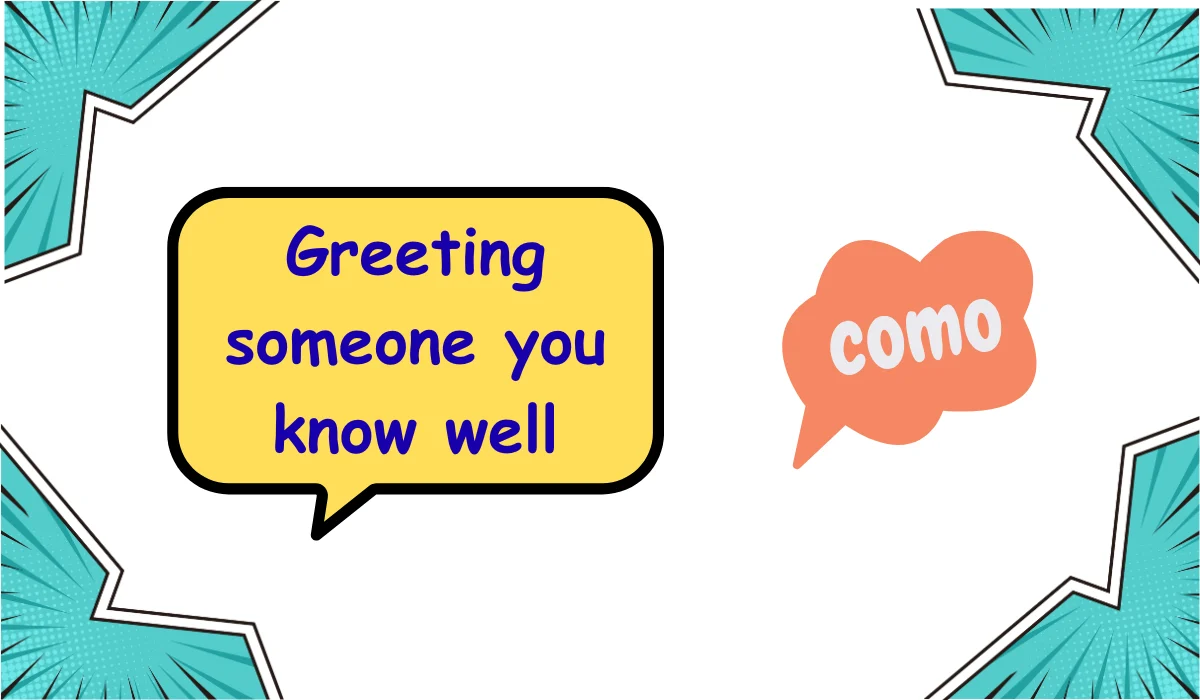
- Greeting someone you know well
- Starting a casual conversation
- Checking in on a friend
- Light, friendly interactions
🚫 When NOT to use it:
- Formal business communication
- Professional emails
- Talking to elders (use formal version instead)
💡 Pro tip:
If you want to sound more natural, you can pair it with other casual expressions like:
- “Hola, como estas?”
- “Ey, como estas hoy?”
- “Hola! Como estas? Long time no see!”
Examples of “Como Estas” in Conversations
Let’s make this crystal clear with real-life examples:
💬 Example 1: Friendly Check-In
A: Hola! Como estas?
B: Muy bien, gracias. ¿Y tú?
👉 Translation:
A: Hi! How are you?
B: Very well, thanks. And you?
💬 Example 2: Casual Chat
A: Como estas hoy?
B: Un poco cansado, pero bien 😅
👉 Translation:
A: How are you today?
B: A bit tired, but good.
💬 Example 3: Online Conversation
DM:
“Hey, como estas? Saw your post yesterday!”
👉 This shows a casual, friendly way to reconnect online.
💬 Example 4: Meme or Light Humor
“Como estas?
Me: still pretending I have my life together 😂”
👉 Shows how the phrase is used in relatable internet humor.
Common Mistakes or Misunderstandings
Even though “como estas meaning” is simple, many people still misuse or misunderstand it.
❌ Mistake 1: Using it formally
- Wrong: Using “como estas” in a job email
- Correct: Use formal phrases like “¿Cómo está usted?”
❌ Mistake 2: Wrong spelling
- “como estas” vs “cómo estás”
👉 The correct Spanish form includes accents: “cómo estás”
❌ Mistake 3: Using it with the wrong person
- Use informal with:
- Friends
- Peers
- Social contacts
- Avoid with:
- Bosses
- Teachers
- Strangers (in formal context)
❌ Mistake 4: Literal translation confusion
Some people think it means something else because of word-for-word translation.
👉 Always remember: it simply means “how are you” in casual Spanish.
Related Slangs or Abbreviations
If you’re exploring como estas meaning, you might also find these useful:
🗨️ Similar Spanish phrases:
- “Qué tal?” → What’s up?
- “Cómo andas?” → How are you doing? (informal)
- “Todo bien?” → Everything good?
💬 English texting slang equivalents:
- “How’s it going?”
- “What’s up?”
- “How are ya?”
- “Hey!”
🌐 Internet slang parallels:
- “WYD?” → What are you doing?
- “HBU?” → How about you?
- “Sup?” → What’s up?
💡 SEO Insight: These variations help users discover related queries and improve contextual understanding of the phrase.
Why “Como Estas” Is Popular in Online Culture
In 2026, global communication is more connected than ever. People use phrases like “como estas” because:
- 🌎 It reflects cultural diversity
- 💬 It adds personality to conversations
- 😂 It’s commonly used in memes and jokes
- 🤝 It creates a friendly, approachable vibe
Whether it’s on TikTok captions, Instagram DMs, or casual chats, this phrase has become part of everyday online language.
When You Should Use “Como Estas” (Practical Use Cases)
Here’s when dropping a “como estas” makes perfect sense:
- Reconnecting with an old friend
- Starting a casual DM conversation
- Responding to someone who greets you in Spanish
- Making your messages feel more international or stylish
- Adding a friendly tone to your chats
💡 Example:
Instead of saying:
“Hi, how are you?”
You can say:
“Hola, como estas?”
👉 It instantly adds personality and warmth.
FAQs About “Como Estas Meaning”
1. What does “como estas” mean in English?
It means “how are you” in an informal way.
2. Is “como estas” formal or informal?
It is informal, used with friends and people you know well.
3. What is the difference between “como estas” and “como esta”?
- “Cómo estás” → informal (you)
- “Cómo está” → formal (you, respectful)
4. Can I use “como estas” in professional communication?
No, it’s best to use formal Spanish like “¿Cómo está usted?”
5. How do you respond to “como estas”?
Common responses:
- “Bien, gracias” (Good, thanks)
- “Muy bien” (Very well)
- “Todo bien” (Everything’s good)
6. Is “como estas” used in texting only?
No, it’s used in:
- Texting
- Spoken conversation
- Social media
- Online chats
7. Is “como estas” trending in 2026?
Yes, it remains widely used globally due to increasing cross-cultural communication.
8. Can I mix it with English in chats?
Yes! People often use hybrid language like:
“Hola, como estas? What’s up?”
Conclusion
Understanding como estas meaning is more than just learning a translation it’s about stepping into a more global, conversational way of communicating.
This simple phrase bridges language gaps and helps you connect with people in a friendly, natural way.
Used correctly, it can make your messages feel warmer, more engaging, and culturally aware.
Leave a Reply