If you’ve recently searched “urticaria meaning”, chances are you’ve seen the word pop up in a medical report, Google search, or even a casual conversation and thought, “Wait… what does that even mean?”
Unlike trendy chat abbreviations or slang, urticaria isn’t something you’ll see in memes or texting.
But it does matter because it’s a common condition that affects millions of people worldwide.
Understanding it can help you recognize symptoms early, avoid triggers, and manage it effectively.
Let’s break it down in simple, human language no complicated jargon, no confusion. Just clear answers.
What Does “Urticaria” Mean? (Definition & Origin)
Urticaria is the medical term for hives—a skin reaction that causes itchy, raised welts on the skin.
Simple Definition:
Urticaria = itchy skin rash with red or skin-colored bumps (hives)
These welts can:
- Appear suddenly
- Change shape or size
- Come and go within hours
Origin of the Word
The term comes from the Latin word “urtica”, meaning nettle (a plant that causes a stinging rash). That’s exactly how urticaria feels like your skin brushed against something irritating.
Types of Urticaria
Understanding the different types helps you identify what you might be dealing with:
1. Acute Urticaria
- Lasts less than 6 weeks
- Often triggered by:
- Foods (nuts, seafood)
- Infections
- Medications
2. Chronic Urticaria
- Lasts more than 6 weeks
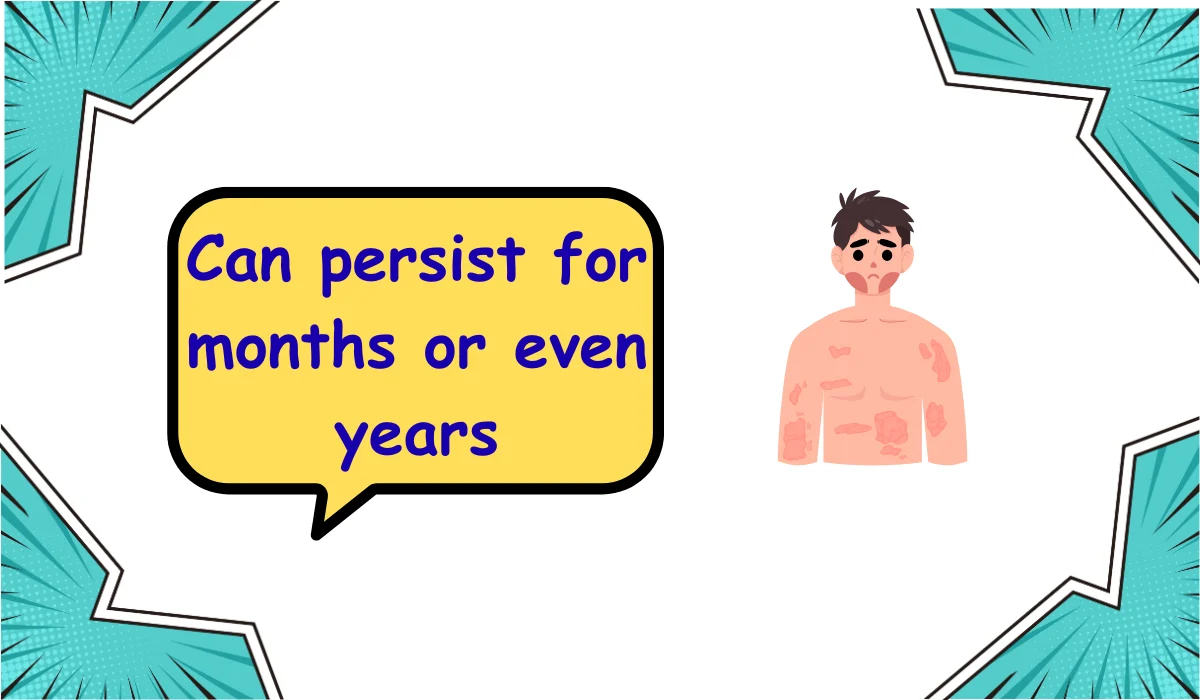
- Can persist for months or even years
- Often no clear cause (frustrating, yes 😅)
3. Physical Urticaria
Triggered by physical factors like:
- Cold weather
- Heat
- Pressure on the skin
- Sunlight
How to Use “Urticaria” in Real-Life Contexts
Even though it’s not slang, people still use urticaria in everyday conversations—especially in health discussions.
Examples:
- “My doctor said my rash is actually urticaria.”
- “I keep getting urticaria after eating seafood.”
- “This itching isn’t normal—it might be urticaria.”
Where You’ll See It
- Medical reports
- Health blogs
- Online forums (Reddit, Quora)
- Doctor consultations
- Google searches like:
- “urticaria meaning in Urdu”
- “urticaria treatment at home”
Symptoms of Urticaria
Here’s how to recognize it quickly:
Common Symptoms:
- Raised welts (hives)
- Intense itching
- Red or skin-colored bumps
- Swelling (sometimes around lips or eyes)
Key Behavior:
- Welts may move around the body
- They often disappear and reappear
Causes of Urticaria
This is where things get tricky—because triggers vary a lot.
Common Causes:
- Food allergies
- Eggs
- Nuts
- Shellfish
- Medications
- Antibiotics
- Painkillers
- Infections
- Viral or bacterial
- Stress
- Yes, your brain can literally make your skin itch 😬
Environmental Triggers:
- Heat or cold
- Sunlight
- Pressure (tight clothes, backpacks)
Examples of Urticaria in Real-Life Scenarios
Let’s make it relatable:
Scenario 1: The Food Reaction
You eat shrimp at dinner 🍤
Within an hour: itchy red bumps appear
👉 That’s likely acute urticaria
Scenario 2: The Stress Rash
You’re under pressure (exams, work, life drama 😅)
Suddenly: random itching and hives
👉 Stress-induced urticaria
Scenario 3: The Mystery Case
Hives appear every few days for months
No clear trigger
👉 Chronic urticaria
Common Mistakes or Misunderstandings
Let’s clear up the confusion:
❌ Mistake #1: It’s contagious
👉 Nope. Urticaria is NOT contagious
❌ Mistake #2: It’s always an allergy
👉 Not always—stress and unknown causes are common
❌ Mistake #3: Scratching helps
👉 It actually makes it worse 😬
❌ Mistake #4: It’s dangerous
👉 Usually harmless—but severe cases need medical attention
Treatment & Management of Urticaria
Good news: it’s manageable.
Common Treatments:
- Antihistamines (most common)
- Avoiding triggers
- Cold compress for relief
For Chronic Cases:
- Prescription medications
- Lifestyle adjustments
- Stress management techniques
Home Remedies:
- Oatmeal baths 🛁
- Aloe vera gel
- Wearing loose clothing
How to Use This Knowledge in Daily Life
Here’s how understanding urticaria meaning actually helps you:
1. Quick Identification
You’ll know it’s hives—not something scarier
2. Better Communication
You can explain symptoms clearly to doctors
3. Smarter Prevention
Avoid known triggers like:
- Certain foods
- Stress
- Weather conditions
Related Medical Terms You Should Know
If you’re learning about urticaria, these terms often come up:
- Angioedema → deeper swelling under the skin
- Allergic reaction → immune response to triggers
- Dermatitis → general skin inflammation
- Histamine → chemical causing itching and swelling
SEO Tip: Internal Linking Ideas
If you’re building a blog, link this article to:
- “Angioedema Meaning Explained”
- “Allergic Reaction Symptoms Guide”
- “Skin Rash Types and Causes”
- “Best Home Remedies for Itching Skin”
This boosts topical authority and rankings 🚀
FAQs About Urticaria Meaning
1. What is the simple meaning of urticaria?
Urticaria means hives, a skin condition with itchy, raised welts.
2. Is urticaria dangerous?
Usually no, but severe cases (with breathing issues) need urgent care.
3. What causes urticaria?
Common causes include allergies, stress, infections, and environmental triggers.
4. How long does urticaria last?
- Acute: a few hours to weeks
- Chronic: more than 6 weeks
5. Can stress cause urticaria?
Yes, stress is a major trigger for many people.
6. Is urticaria contagious?
No, it cannot spread from person to person.
7. What is the best treatment for urticaria?
Antihistamines and avoiding triggers are most effective.
8. Can urticaria go away on its own?
Yes, many cases resolve without treatment.
Conclusion
Understanding urticaria meaning is more than just learning a medical term it’s about recognizing a common skin condition that can affect your daily comfort.
From sudden allergic reactions to stress-induced flare-ups, urticaria shows up in many ways but is usually manageable with the right approach.
With the right knowledge, you can handle it confidently instead of scratching your head (and your skin 😅).
Leave a Reply