Understanding the delusion meaning isn’t just for psychology textbooks it’s key to reading tone, detecting sarcasm, and interpreting online dialogue.
In our fast‑moving digital world, where people throw around hyperbole, memes, and dramatic expressions, knowing what “delusion” truly means helps you spot humor vs. reality in chats, social posts, and comments.
Humans love exaggeration online.
Someone says “I’m the best gamer of all time” is that confidence or delusion?
Let’s break down what this term means, how it’s used, and how to avoid confusing it with similar slang or misusing it in chats or texts.
What Does “Delusion” Mean? (Definition & Origin)
✔ Simple Definition
Delusion meaning: a fixed belief that’s not aligned with reality — typically held despite clear evidence that contradicts it.
In everyday language, delusion refers to a misunderstanding of reality, where someone strongly believes something that isn’t true or is extremely unlikely.
Examples:
Believing you’re invincible after losing three matches: that’s delusion.
Thinking your pet secretly controls the Wi‑Fi: also delusion (but funny!).
✔ Origin & Core Meaning
- Delusion comes from Latin deludere, meaning “to deceive” or “to fool.”
- In psychology, it’s a clinical term used for certain mental conditions. But in everyday chats, it’s usually used more casually — like when someone is way overconfident.
👉 Note: In online slang, “delusion” isn’t an acronym or shorthand — it’s a real word borrowed into texting from spoken language.
How to Use “Delusion” in Texts or Chat
When you call something delusion in chat, you’re usually doing one of these:
- Friendly Teasing
“Bro thinks he can beat me with 0 wins… major delusion 😂”
- Sarcastic Commentary
“She said she invented pizza. Delusion level: expert.”
- Mild Critique
“If you really think you’ll finish all that by dawn… that’s delusion, my friend.”
- Meme Speak
People often say delusion alongside memes or GIFs to dramatize how unrealistic something is.
Examples of “Delusion” in Conversations
Here are real‑style chats showing how “delusion meaning” plays out in messaging:
Example 1:
Friend1: I can run a marathon tomorrow with no practice.
Friend2: That’s pure delusion lmao
Example 2:
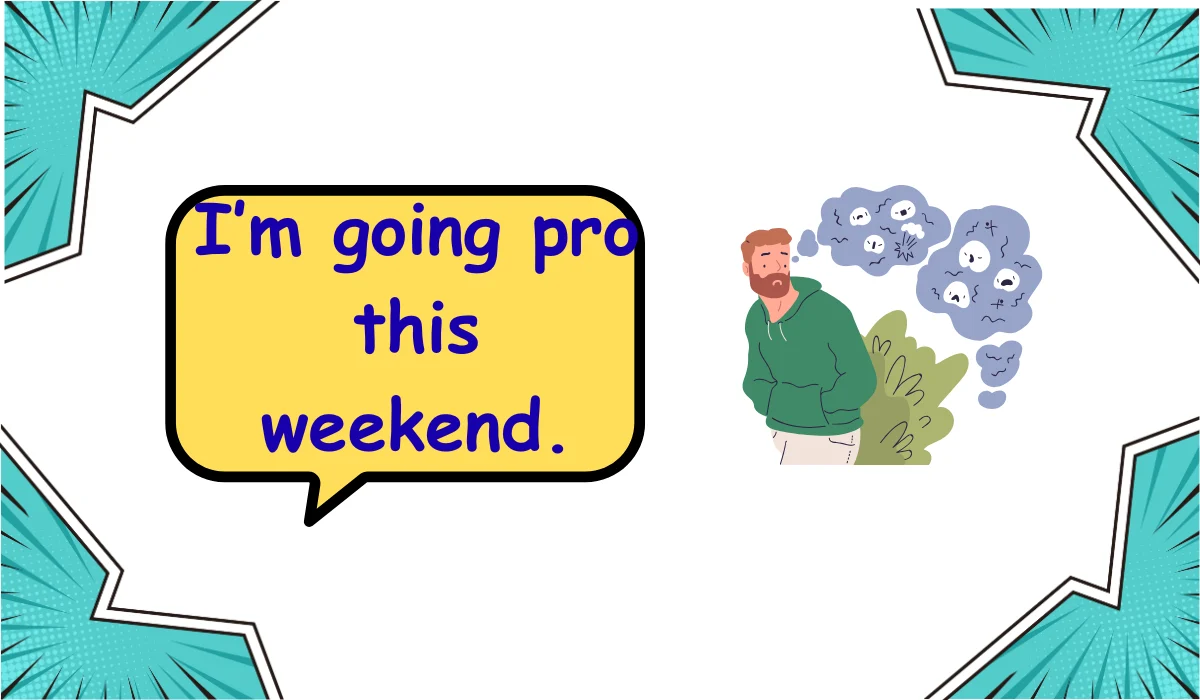
Gamer1: I’m going pro this weekend.
Gamer2: Bet delusion central.
Example 3 (Texting Style):
You: I’m gonna ace this test.
Them: With no studying? 😂 delusion
💡 Notice how in chats, people often drop delusion at the end as a humorous tag.
Common Mistakes or Misunderstandings
Even experienced texters sometimes trip over how to use delusion. Here’s how to avoid common pitfalls:
❌ Mistake 1: Confusing with “illusion”
Illusion = something that looks real but isn’t
Delusion = something you truly believe that isn’t real
Illusion: magic trick
Delusion: believing the trick is real magic
❌ Mistake 2: Using too seriously
People might think calling something delusion is harsh — in casual chat, it should stay light‑hearted unless talking about serious conditions.
❌ Mistake 3: Misreading tone
Because delusion is strong, it can sound insulting. Pay attention to context:
With 😂 or 🤣 → usually a joke
Without emojis → could be a serious critique
Related Slangs or Abbreviations
These expressions often show up near delusion in chats:
✔ “Big mood”
→ Strongly relate to something (usually positive)
Example:
“I think I’m a genius.”
“Big mood… but also delusion 🤣”
✔ “Cap / No Cap”
→ Cap = lie, No cap = no lie
Example:
“He said he’s the best.”
“No cap? Delusion then.”
✔ “Flex”
→ Showing off confidence
Delusion is often a failed flex.
Example:
“He’s flexing his skills.”
“If true → cool. If not → headache delusion.”
✔ “Gaslighting”
→ Manipulating someone into doubting reality
This can overlap with delusion if someone insists on false beliefs.
Why Understanding Delusion Meaning Matters in 2026 Chats
In today’s communication culture:
People exaggerate constantly
Sarcasm is everywhere
Memes blur truth and humor
NLP and AI models are part of conversations
Knowing delusion meaning stops misreadings, boosts clarity, and helps you interact confidently across platforms like WhatsApp, TikTok comments, Reddit threads, Discord chats, and more.
SEO note: searches like delusion meaning in texting, delusion definition slang, and what does delusion mean online are trending — and this article tackles them cleanly.
How to Spot Delusion (Real Use Cases)
Use this mini checklist to decide if something is delusion:
✔ Belief persists despite evidence
✔ Spoken confidently but unlikely to be true
✔ Used for bragging or unrealistic claims
✔ Detached from logical reasoning
Example:
He says he’ll be CEO in a week — no degree, no plan?
→ That leans delusion.
Expert Tips: When to Call Out Delusion (and When to Chill)
Use It When:
The claim is clearly unrealistic
Your vibe with the other person is playful
You want to highlight humor
Avoid It When:
The claim involves someone’s mental health issue
You’re in a serious or professional conversation
It might come across as dismissive
💡 Tone matters — delusion packs punch, so read the room before dropping it.
FAQs About “Delusion Meaning” (2026 Update)
What’s the basic meaning of delusion in slang?
A belief that’s unrealistically held, often humorously exaggerated.
Is using “delusion” rude?
It can be if used seriously — but in casual chat it’s often joking.
Can “delusion” be used positively?
Rarely — it generally implies unrealistic thinking.
Is delusion the same as illusion?
No. Illusion = sensory trick; delusion = incorrect belief.
Where is “delusion” commonly used online?
TikTok comments, game chats, Reddit threads, Instagram replies.
Can AI catch delusion in texts?
Modern models try, but context and tone are key — even AI can misread sarcasm.
Is it okay to call yourself delusional?
In a joking way, yes — like “I’m delusion about my drawing skills 😂.”
What emojis go well with “delusion”?
😂 🤣 😅 — to show humor and soften the criticism.
Conclusion
Understanding delusion meaning helps you decode exaggerated beliefs, awkward claims, and playful jabs in online conversations.
Whether you’re reading comments on TikTok, texting friends, or debating on Reddit, recognizing when something crosses into delusion keeps miscommunication at bay.
Delusion is more than just a word it’s a social cue that tells you someone might be joking, overconfident, or just playing for laughs.
Use it wisely, and always read the tone before you drop it in chat.
Leave a Reply